
 Paxil Dosage: Finding the Right Balance for Effectiveness
Understanding Paxil: What It’s Prescribed for
For many individuals, navigating the complexities of mental health treatment is a journey, and in this context, Paxil often emerges as a key participant. This antidepressant is primarily prescribed to manage conditions like depression, anxiety disorders, and obsessive-compulsive disorder. With each dose, Paxil aims to restore the balance of serotonin in the brain, wich is crucial for mood regulation. However, the decision to incorporate Paxil into one's treatment plan is not taken lightly. Its use is generally accompanied by thorough evaluation and careful consideration by qualified healthcare providers.
| Condition | Purpose of Paxil |
|---|---|
| Depression | Alleviates symptoms such as persistent sadness |
| Anxiety Disorder | Reduces feelings of excessive fear and worry |
| Obsessive-Compulsive Disorder (OCD) | Assists in minimizing compulsive behaviors |
Standard Paxil Dosages: What You Need to Know
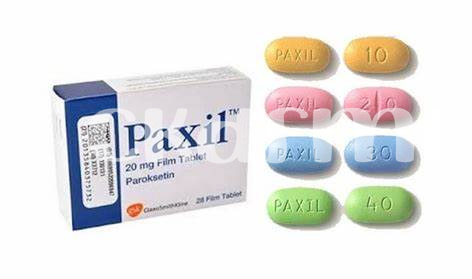
When navigating the world of Paxil, understanding the standard dosages is crucial. Typically, doctors begin by prescribing a low dose, often around 10 to 20 milligrams per day. This initial approach is aimed at ensuring the patient’s body begins adjusting to the medication. Over time, depending on the patient's response and the specific condition being treated, the dosage might be gradually raised, sometimes reaching up to 50 milligrams daily.
It's essential to recognise that everyone's body responds differently. Teh standard dosage of Paxil for conditions like depression and anxiety is tailored to fit individual needs. Some patients may experience significant benefits at lower doses, while others may require higher dosages to acheive optimal results. Patients should adhere to their prescription plans and not adjust dosages independently.
Consistency is key when it comes to taking Paxil. Missing doses or abruptly increasing them can lead to unwanted side effects or diminished effectiveness of the treatment. It's not uncommon for individuals to forget doses; however, it's advisable to develop a routine that aides in remembering, such as pairing it with a daily task. Patients should be proactive in tracking their experiences and communicating with their healthcare providers to ensure the dosage remains effective and aligned with their therapeutic goals.
How to Adjust Your Paxil Dosage Safely
Adjusting your Paxil dosage is a delicate process that should be guided by careful consideration and collaboration with your healthcare provider. Begining with open communication is essential; discuss any changes in your symptoms or side effects with your doctor to ensure they have a complete understanding of your current situation. Often, adjustments are made in small increments to closely monitor how your body responds, reducing the risk of side effects.
It's crucial to adhere to the new dosage instructions exactly as prescribed, since skipping doses may lead to withdrawal symptoms. Interestingly, even a minuscule change in dosage might have a significant impact, enhancing the effectiveness of the treatment or mitigating unwanted effects. Patience is key during this period, as it may take some time to see the full results.
While making any adjustments, be vigilant of how you feel, documenting any new symptoms or changes in mood. This record can greatly assist your doctor in determining the best course of action. Transitioning through different dosages may feel unsettling, but maintaining a positive mindset and practicing regular self-care can ease the process considerably.
Signs Your Paxil Dosage Might Need Change

When on Paxil, it's vital to tune in to how you feel, as your body may signal when adjustments are neccessary. You might find that symptoms, once managed, are resurfacing, which can indicate that a dosage tweak is in order. Conversely, if you start experiencing new or intensified side effects—like dizziness, sleep disturbances, or unusual fatigue—it could be a sign that the current dose is too high.
Occasionally, life changes can also trigger a need to reevaluate your Paxil dosage. Stressful events or shifts in daily routine can alter how your body responds to the medication. In these cases, keeping a journal of your symptoms and experiences can help track patterns that might not be immediatly apparent.
Possible Side Effects from Paxil Dosage Shifts
Individuals may experience various changes when adjusting their paxil dosage. It's crucial to be aware of potential side effects, which can range from mild to severe. Increased anxiety, dizziness, and gastrointestinal issues are some of the disturbances that might Occur due to dosage modifications. Recognizing these symptoms early can help manage them effectively.
People might also notice mood fluctuations, including heightened irritability or mood swings. Such reactions can impact daily life, making it essential to remain vigilant and communicative about any changes with a healthcare provider. Noticable variations in appetite or sleep patterns could also herald the body's adjustment to new dosage levels.
Regular monitoring can distinguish between temporary effects and those requiring a more immediate response. Therefore, engaging with professional advice ensures the journey with paxil remains safe and effective.
| Side Effect | Description |
|---|---|
| Anxiety | Increased nervousness or agitation |
| Dizziness | Feeling unsteady or lightheaded |
| Gastrointestinal Issues | Includes nausea or upset stomach |
Consulting Your Doctor for Paxil Dosage Adjustments
When you feel like your current Paxil dosage isn't hitting the mark, a conversation with your doctor is key. They have the experiance and tools to evaluate how the medication interacts with your unique physiology. It’s not just about symptoms, but about understanding potential underlying issues that may have occured. By discussing openly, your doctor can help chart a safer path for any dosage adjustment. Always remember, it's not a one-size-fits-all solution; personalize the approach to manage your health effectively.
For more comprehensive insights, check reputable sources like the Mayo Clinic or the FDA.